Many travelers say the same thing after visiting Japan:
“Why are the public toilets here so clean?”
In many countries, public restrooms are places people try to avoid.
In Japan, however, they are often cleaner than toilets in private homes.
How did this happen?
The answer lies in a unique combination of technology, culture, and social expectations.
- Why Public Toilets in Japan Are So Clean and Advanced
- The Three Essential Features of Japanese Toilets
- Why Japanese Women’s Restrooms Are So Advanced
- How Japanese Toilets Continue to Evolve
- Technology Behind Japan’s Toilet Industry
- Conclusion
Why Public Toilets in Japan Are So Clean and Advanced
One of the things that surprises many visitors to Japan is the quality of its public toilets.
In many countries, public restrooms are often dirty, poorly maintained, or difficult to find.
In Japan, however, public toilets are available almost everywhere and are usually free to use.
You can find them in places such as:
• Train stations
• Tourist attractions
• Shopping malls
• Department stores
• Highway service areas
• Parks
What surprises visitors even more is how clean and well-equipped these toilets are.
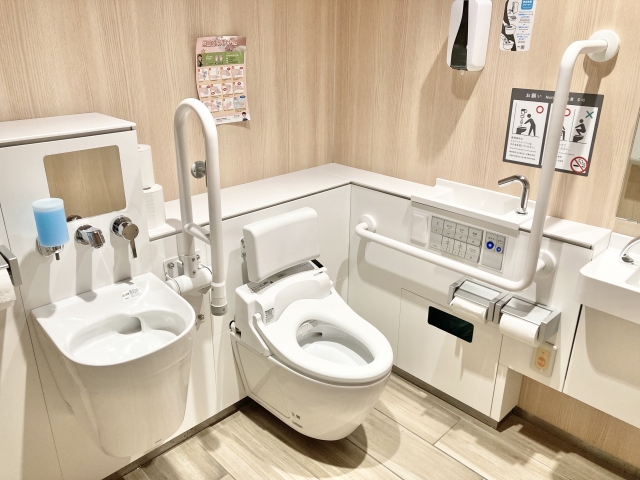
Many Japanese public toilets include features such as:
• Heated toilet seats
• Bidet washing systems (Washlet)
• Sound-masking devices for privacy
• Baby care facilities
• Powder rooms
• Bag hooks and shelves
These innovations have made Japanese toilets famous around the world.
But why did Japan develop such an advanced toilet culture?
In this article, we will explore the technology, culture, and social systems that support Japan’s unique public toilet environment.
The Three Essential Features of Japanese Toilets
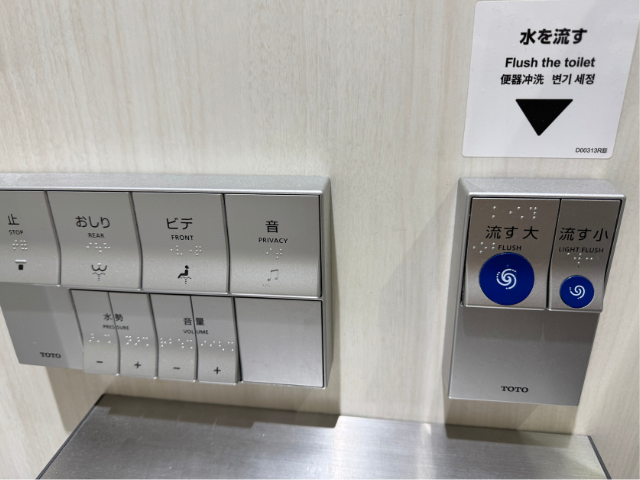
Japanese toilets are often associated with three key technologies that dramatically improved comfort and privacy.
These three features are sometimes jokingly called the “three sacred treasures” of Japanese toilets:
• Heated toilet seats
• Washlets (bidet toilets)
• Otohime sound devices
Each of these inventions changed the way people use toilets in Japan.
Heated Toilet Seats: A Small Invention That Changed Comfort
If you sit on a toilet seat in winter and it feels warm, you might not think much about it if you live in Japan.
But for many foreigners, this is a surprising experience.
Heated toilet seats are still rare in most countries.
The History of Heated Toilet Seats
Heated seats began spreading in Japan around the 1970s.
At that time, many Japanese homes had poor insulation, and toilets could be extremely cold in winter.
To solve this problem, manufacturers developed electric heated toilet seats.
This simple idea dramatically improved comfort during winter and soon spread not only to homes but also to public facilities.
Changing the Image of Toilets
Heated seats did more than improve comfort.
They helped change the image of toilets from an unpleasant place into a comfortable and usable space, even in cold seasons.
This small innovation played a major role in the evolution of Japan’s toilet culture.
Washlets: Japan’s Famous High-Tech Bidet
When people think of Japanese toilets, they often imagine Washlets.
A Washlet is a toilet seat equipped with a water spray bidet system that cleans the user after using the toilet.
Although bidets exist in other parts of the world, the modern electronic version became famous through Japanese innovation.
The Origin of the Washlet
The Washlet became widely known after TOTO launched it in 1980.
It quickly became popular thanks to a famous TV commercial with the slogan:
“Even your bottom deserves to be washed.”
The product was inspired by medical equipment from the United States but was refined for everyday use in Japan.
Why Washlets Are So Popular in Japan
Washlets are valued for several reasons:
• They reduce friction from toilet paper
• They improve hygiene
• They help prevent irritation and discomfort
Some studies in Japan suggest that one in three people experience hemorrhoids at some point in life, partly due to lifestyle factors like sitting for long periods.
Because humans evolved to walk upright, the body structure itself makes hemorrhoids relatively common.
Washlets help reduce stress on the body by allowing users to clean gently with water.
Today, Washlets are installed not only in homes but also in:
• Airports
• Train stations
• Hotels
• Shopping centers
• Convenience stores
In many countries, bidet toilets are found only in luxury hotels or wealthy homes.
In Japan, however, they are almost everywhere.
In that sense, Japan could humorously be called “a nation that cares about your comfort.”
Otohime: The Privacy Sound Device
Another uniquely Japanese invention is the Otohime.
The Otohime is a device that plays the sound of flushing water to mask bathroom noises.
For many foreigners, this idea seems unusual at first.
However, it reflects an important cultural aspect of Japanese society.
H4
Why Otohime Was Invented
In Japan, many people—especially women—felt embarrassed if others could hear bathroom sounds.
Because of this, people often flushed the toilet repeatedly to hide the noise.
This caused significant water waste.
The Otohime was developed to solve this problem.
Instead of actually flushing, it plays a recorded flushing sound, preserving privacy while saving water.
From Embarrassment to Environmental Innovation
What began as a solution to social embarrassment eventually became an environmentally friendly invention.
Today, the Otohime is often seen as an example of Japan’s attention to detail and respect for others.
Why Japanese Women’s Restrooms Are So Advanced
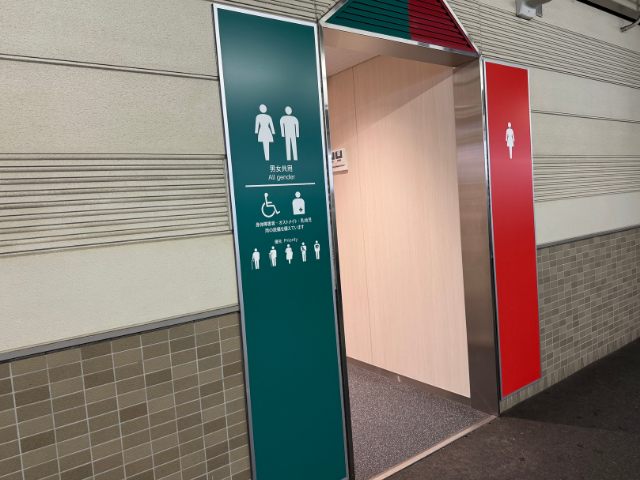
Another aspect that surprises many visitors is the high level of facilities in women’s restrooms.
In places like department stores, shopping malls, and highway service areas, the restrooms often feel more like hotel spaces than public toilets.
Japanese women’s restrooms are designed with several priorities:
• Cleanliness
• Safety
• Privacy
• Comfort
Powder Rooms for Makeup and Personal Care
Many Japanese restrooms include separate powder rooms.
These spaces include:
• Mirrors
• Bright lighting
• Counters for cosmetics
They allow users to fix makeup or refresh themselves comfortably.
This reflects the idea that restrooms should be a place where people can prepare themselves before returning to public spaces.
Fitting Boards for Changing Stockings
Some toilet stalls in large facilities include a foldable fitting board on the wall.
This small platform allows users to place one foot safely while changing stockings or socks.
Situations where this becomes useful include:
• Torn stockings
• Wet socks from rain
• Changing into work stockings
• Switching shoes for formal events
Standing on one leg in a small stall can be dangerous.
The fitting board provides a stable and safe solution.
Bag Hooks and Shelves
Japanese toilet stalls often include multiple hooks for bags.
This design reflects the reality that people often carry several items when going out:
• Handbags
• Shopping bags
• Jackets
• Work bags
Since placing bags on the floor is not hygienic, hooks allow users to keep belongings off the ground.
Some facilities also include small shelves for bags, which provide additional convenience.
These small details show how Japanese restroom design carefully considers real user behavior.
Facilities for Parents and Babies
Many shopping centers and large facilities include baby-friendly restroom equipment, such as:
• Diaper changing stations
• Baby beds with safety belts
• Special diaper trash bins
Some locations even include small waiting seats for young children so they can sit safely while parents care for a baby.
This reflects the idea that restrooms are part of public childcare infrastructure, not just sanitation facilities.
Family Toilets for Parents and Children
Japan has also introduced family toilets or parent-child restrooms.
These larger private rooms allow parents to enter with children safely.
Features often include:
• Space for strollers
• Child-friendly equipment
• Accessible layouts
These toilets help reduce stress for parents traveling with young children.
How Japanese Toilets Continue to Evolve
Japanese public toilets continue to improve with new ideas and technology.
Disaster-Resistant Toilets
Japan experiences frequent natural disasters such as earthquakes.
Because of this, many facilities are developing emergency-ready toilets designed to function during disasters.
These may include:
• Emergency toilets
• Disaster sanitation systems
• Backup water supplies
AED Devices Near Restrooms
In some stations and public facilities, AED (Automated External Defibrillator) devices are placed near restrooms.
Because restrooms are places where people might collapse due to illness, having lifesaving equipment nearby can be critical.
Designer Public Toilets
Recently, some cities have introduced architect-designed public toilets.
These toilets combine functionality with modern architecture and urban design.
They are often located in:
• Parks
• Tourist areas
• Major train stations
The Tokyo Toilet Project
A famous example is The Tokyo Toilet Project in Shibuya.
This project invited world-famous architects and designers to create public toilets that are both functional and beautiful.
The goal was to challenge the idea that public toilets must be dirty or unpleasant.
Clean Restrooms Even in Rural Areas
Even in rural Japan, restrooms at roadside stations (Michi-no-Eki) are known for being extremely clean.
These facilities serve tourists and drivers, so restroom quality plays an important role in the overall experience.
Convenience Store Toilets
Another unique feature of Japan is the convenience store toilet culture.
In many Japanese convenience stores, customers are allowed to use the restroom freely.
In many other countries, restrooms in stores are:
• Locked
• Staff-only
• Only for paying customers
Japan’s open approach reflects a culture of trust and customer service.
Technology Behind Japan’s Toilet Industry
Japan’s advanced toilet culture is supported by major manufacturers such as:
• TOTO
• LIXIL
These companies have spent decades improving toilet technology.
Their goal is not simply luxury, but comfort, hygiene, and user-friendly design.
TOTO and the Global Spread of the Washlet
Founded in 1917, TOTO has played a major role in shaping Japan’s bathroom culture.
The company launched the Washlet in 1980, which later became one of Japan’s most famous technological exports.
Today, Washlets are used worldwide and are often called “Japanese-style toilets.”
LIXIL and Modern Sanitation Technology
LIXIL is another major Japanese manufacturer that focuses on innovation and hygiene.
Its toilet technologies include:
• Special materials that resist stains
• Powerful water flushing systems
• Rimless toilet designs for easier cleaning
Modern toilets may also include:
• Automatic lids
• Automatic flushing
• Water-saving systems
• Sterilization features
These technologies help make toilets part of modern living infrastructure.
Conclusion
Japanese public toilets are more than simple sanitation facilities.
They represent a combination of:
• Advanced technology
• Cultural values
• Thoughtful design
• Public management systems
Features like heated seats, Washlets, and Otohime show how attention to detail can transform an everyday experience.
For many Japanese people, these toilets feel normal.
But for visitors from around the world, they remain one of the most surprising and impressive parts of Japanese daily life.
Read more:
Why Japanese Convenience Stores Are So Amazing | Why Foreigners Love Konbini
More Surprising Things About Japan
コメント